
Renovate or Move? How to Know if Your Home Is Worth Remodeling
As families and routines evolve, homes can begin to feel limiting compared to their original design. Homeowners often face a key question: Should we stay and renovate, or look for a better fit in a different home? The answer involves more than square footage—it depends on your home’s location, your family’s needs, your future goals, and whether your current house can become your forever home. A residential architect and design-build team can help you understand what is possible before deciding whether to add on, renovate, or move.
Signs It’s Time to Renovate or Move
As families grow and age, the home can quickly become a tight fit. Small kitchens and bathrooms that once felt charming for a young family can create frustration as grown children and their parents navigate daily tasks in a seemingly shrinking space. As homeowners begin to weigh a solution, we offer some practical advice at TreHus to help guide your search to move, or not to move.
What Makes a Home a Forever Home?
When considering a big home change, the most important question to ask is: Do I want my current home to be my forever home? A forever home means something slightly different to everyone, but the sentiment remains the same: a space to age in place, comfortably, through the different seasons of life. It may not look exactly the way you want today — and may take several iterations of remodeling and adding on to get there — but forever homes often share these core characteristics:
- Location — a physical place you genuinely love, whether that’s vast acreage, a bustling bungalow tucked into the nooks of a city, or a quiet street close to family.
- Lifestyle — a home and location that support the life your family wants to live, whether that’s walkability, school districts, neighbors and neighborhoods, access to nature, or proximity to work and community.
- Emotional Connection — a home with special and inimitable sentimental value to you and your family. Maybe it’s been in your family for several generations, or maybe yours is the first, but this space and the memories that fill it would be heartbreaking to part with.
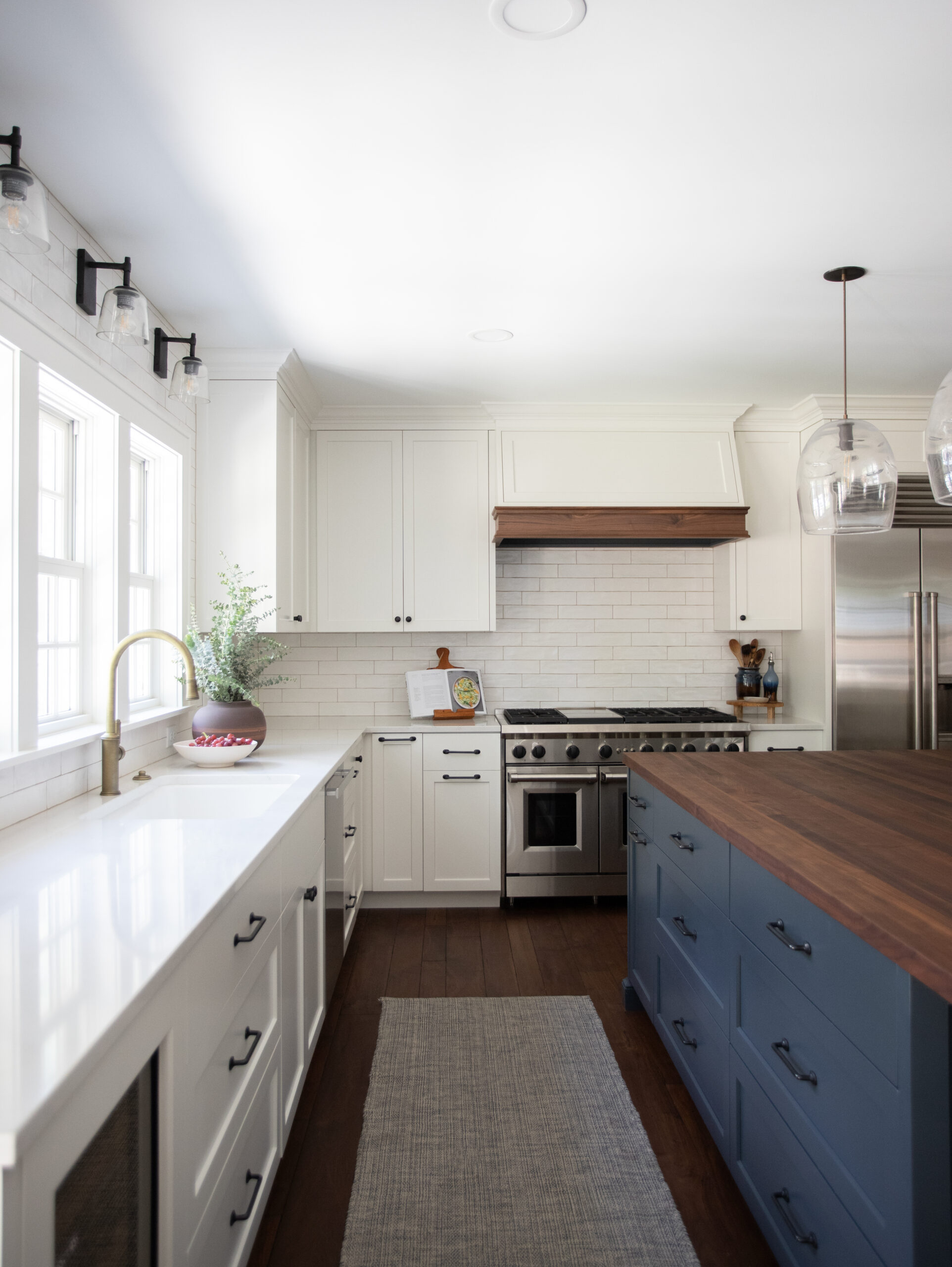
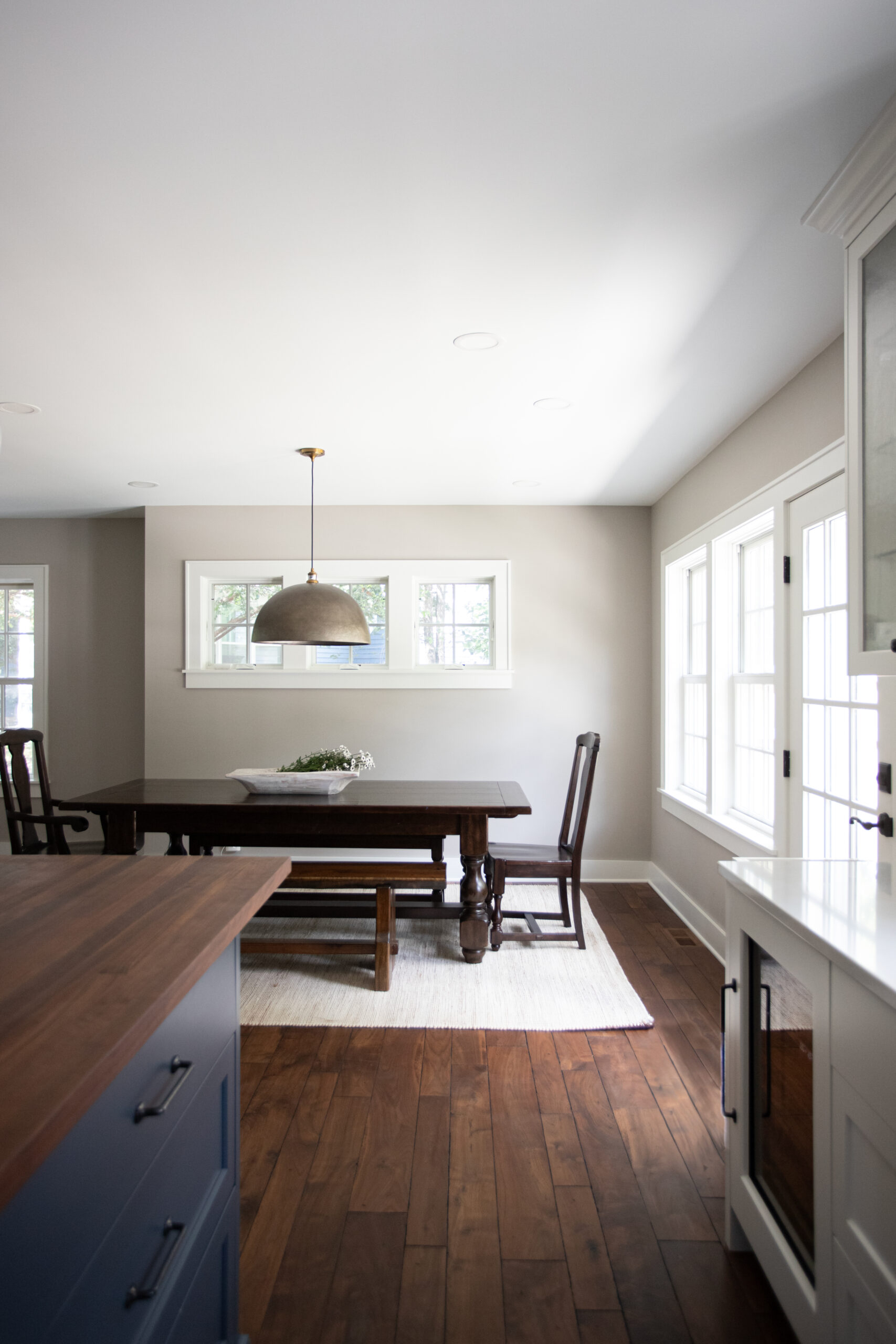
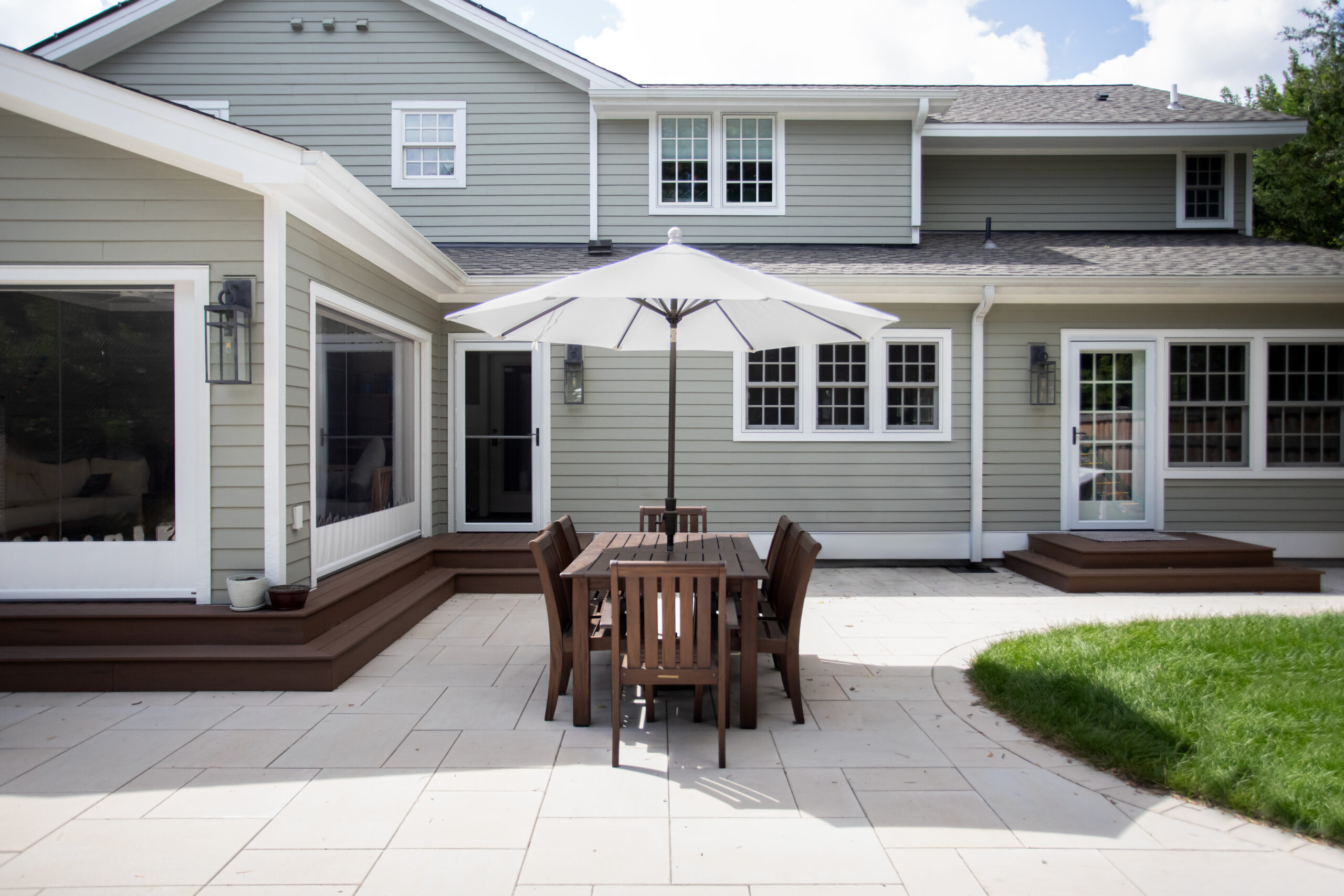
Recognizing these qualities in your own home is often the first step toward deciding what comes next. Many homeowners reach this point not because they want to leave, but because their home no longer supports the way they live. Our Bright Cedarhurst Addition, which included a kitchen expansion and new porch, shows how thoughtful design can help a home evolve alongside its people — creating more functional space while preserving the connection to a home and neighborhood the family already loved.
When Does Remodeling Make More Sense Than Moving?
After considering whether your home has the foundation of a forever home, it’s time to weigh the practical side of remodeling or adding on. At TreHus, we suggest asking:
- What are you hoping to change or improve about your home?
- Would a remodel or addition solve those challenges?
- Does it make economic sense to spend the time and money?
- Would the investment remain appropriate for your neighborhood?
- Would buying a different home ultimately save significant time, money, or headache?
These questions are often easier to answer with the guidance of a residential architect and design-build team, who can evaluate your home’s structure, identify opportunities, and help you understand the long-term value of different options.
Building A Forever Home
Some of our favorite projects at TreHus are the ones that help homeowners create their forever homes. We often find that a thoughtfully designed addition is the right solution for a tight or dysfunctional home design — whether the goal is aging in place, more room for a growing family, or simply improving how a home functions day to day.
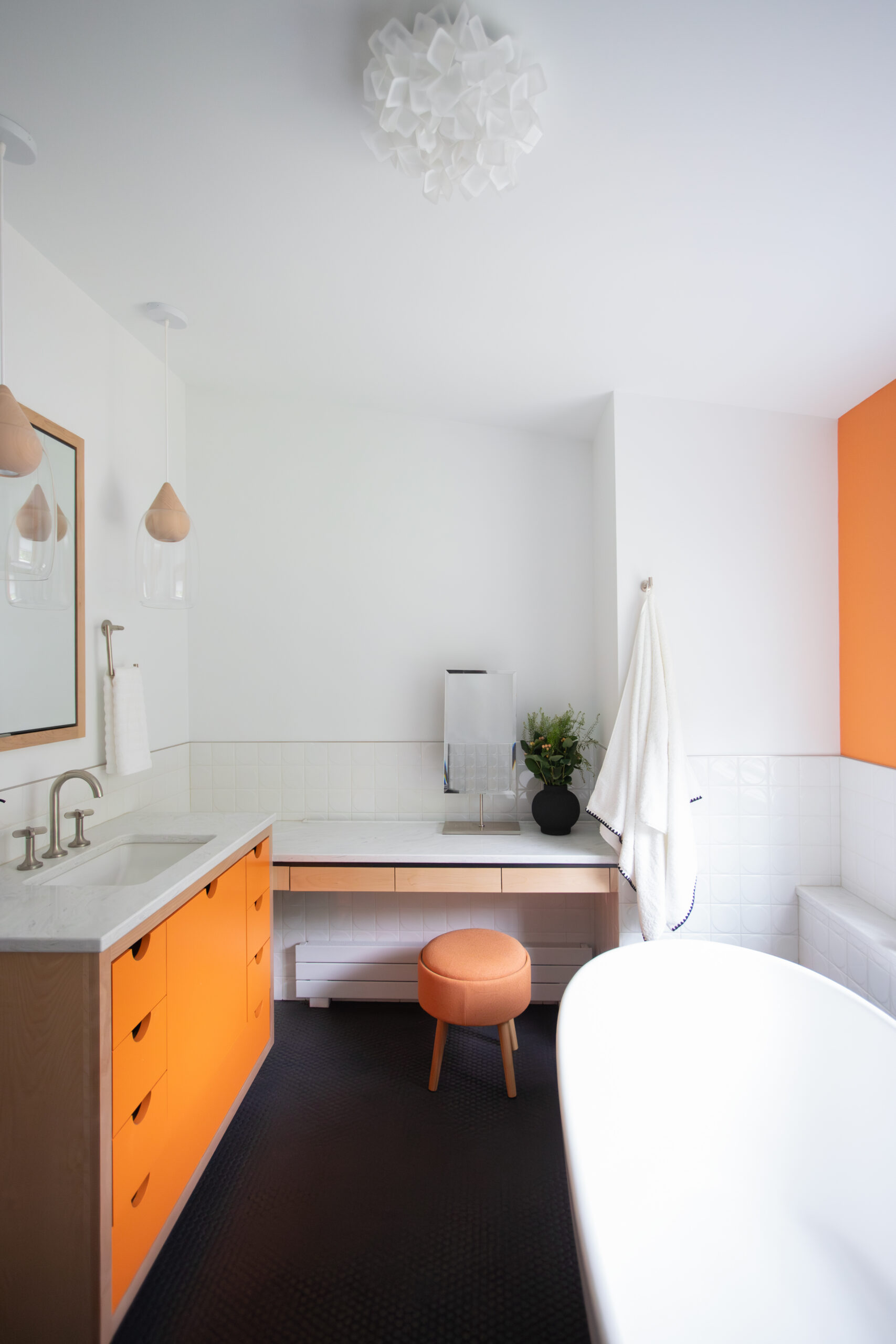
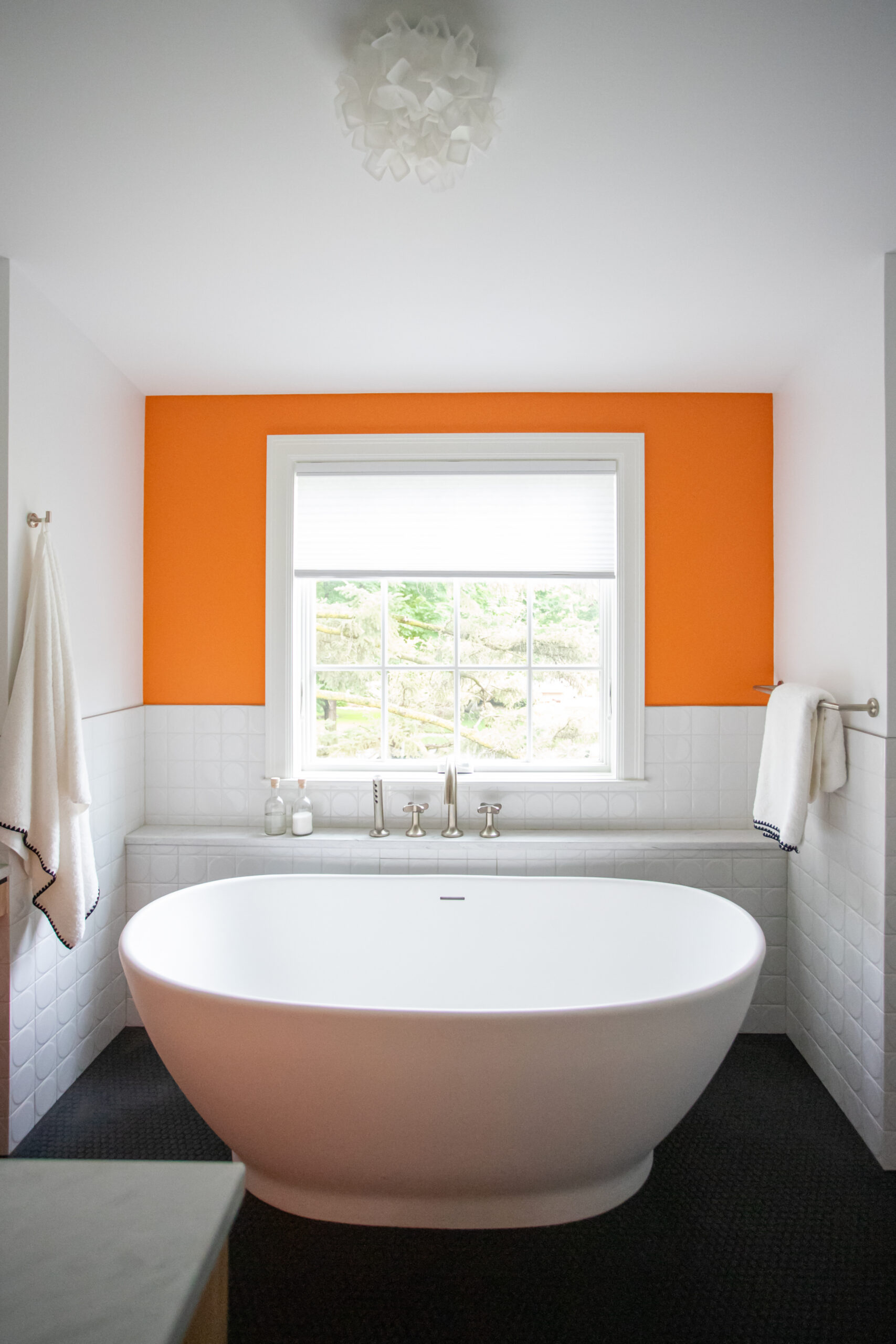
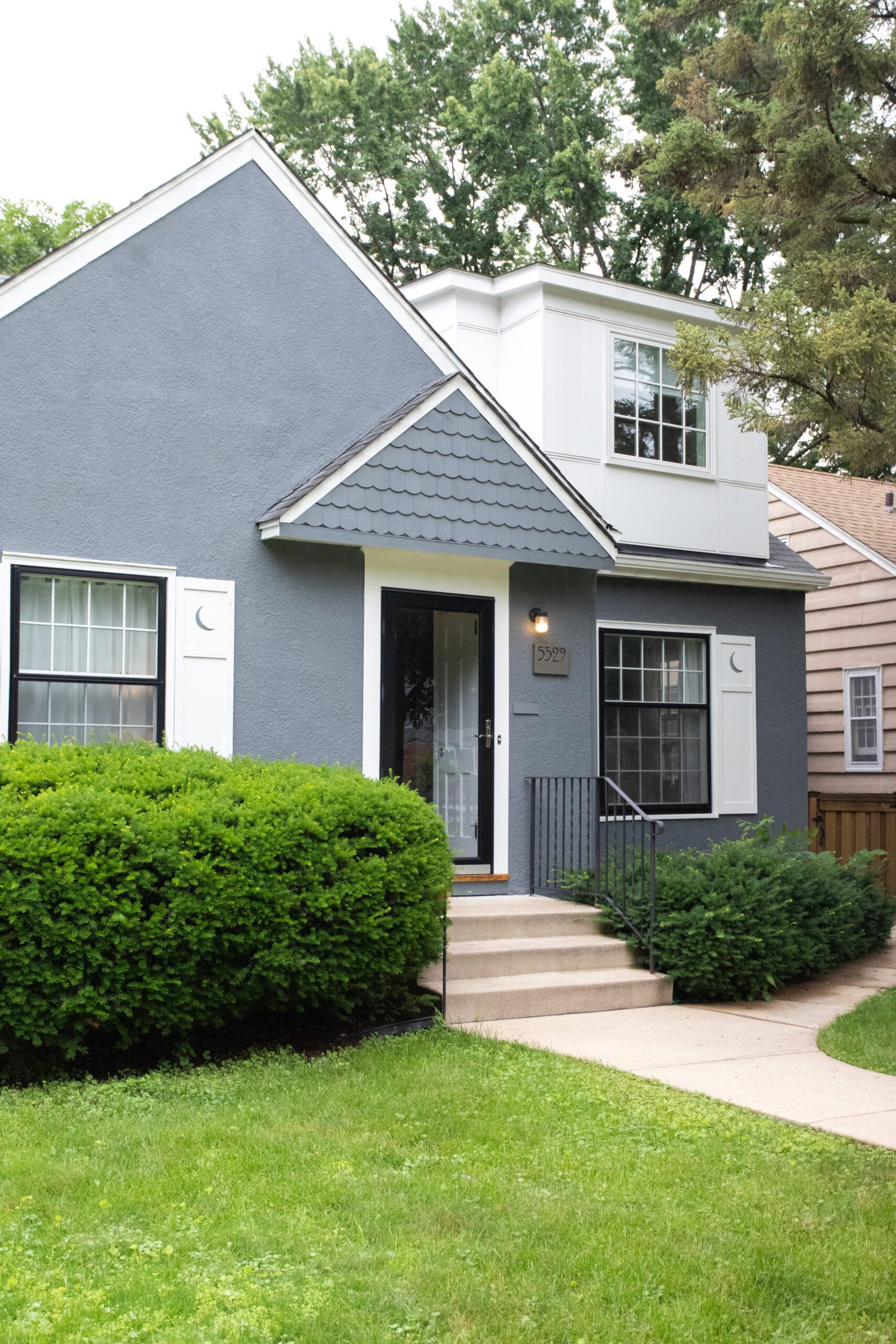
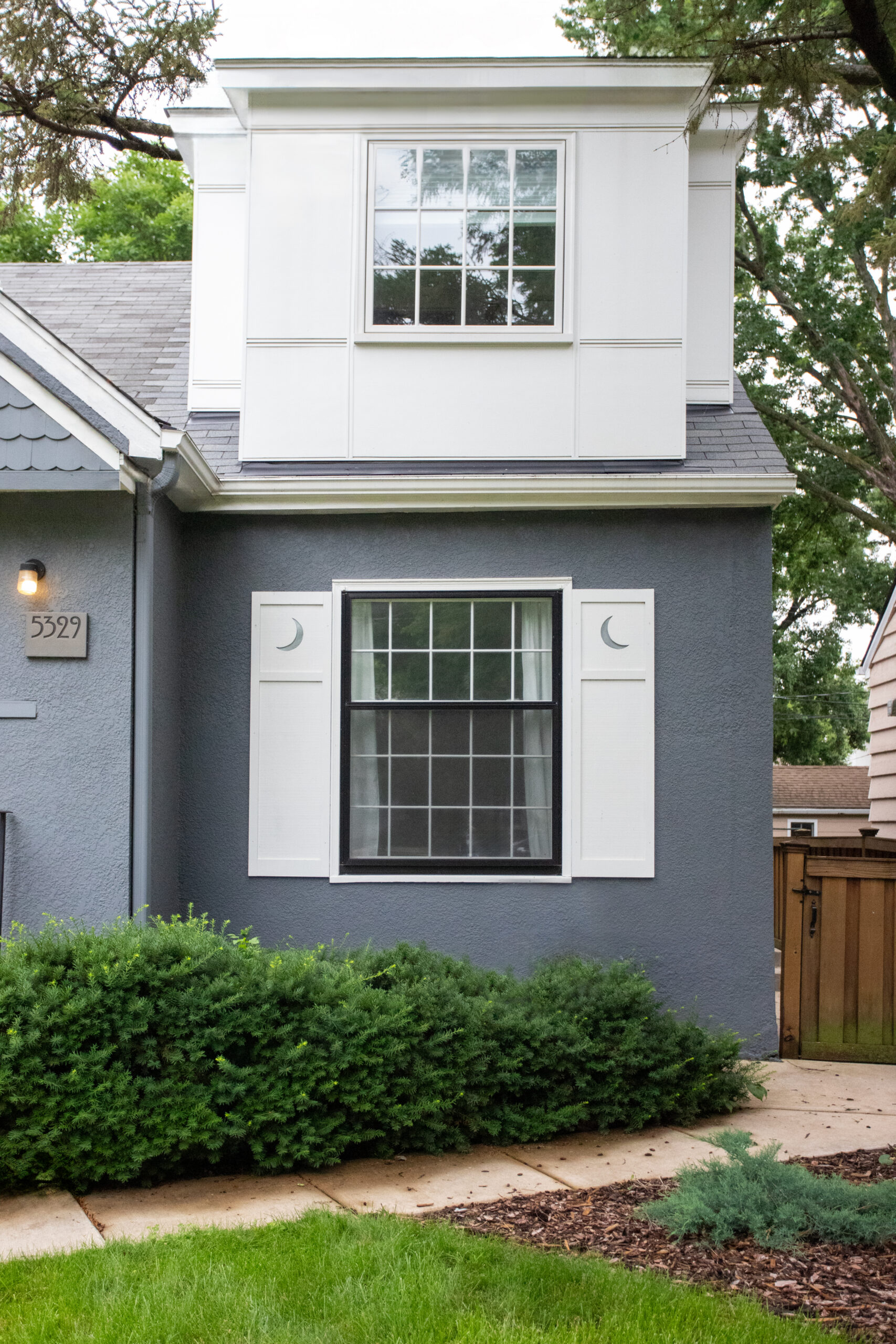
Not every home needs a large expansion to better serve the people who live there. Our Minnehaha Modern Dormer shows how a carefully designed dormer can unlock overlooked space within an existing home. A dormer is a roofed addition with at least one window that juts out vertically from the main structure, creating usable space above the existing footprint. By adding one, we created a second-floor bathroom without expanding the home’s footprint. An extra bathroom is no small improvement; a dedicated place to get ready in the morning and unwind at night can meaningfully improve how a home functions.
Dormers can also add curb appeal while building on an existing structure. Sometimes an exact exterior match is the most cohesive approach; other times, a subtle departure creates a point of visual interest. This trimmed dormer visually connects with the shutters beneath it on the original portion of the home while carrying its own character as a thoughtful addition.
Whether your next project is a kitchen remodel, a thoughtfully designed home addition, or a whole-home renovation, our goal as a residential architecture and design-build firm remains the same: to help you create a home that genuinely serves your family for years to come. Every project begins with understanding how you want to live, and ends with a home designed to support that vision.