
Head of Design + AIA Architect, Jon Colliander, on Homes that Last a Lifetime
At TreHus, we value the people who bring our work to life. This employee spotlight features Jon Colliander, Head of Design + AIA Architect, an artist at heart and timeless home design expert.
Origins in Architecture
Jon has been a creator for as long as he can remember. “As a child, I always had an interest in art and building,” says Jon. “I drew constantly, played a lot with Legos, and built treehouses, forts, skateboard ramps and anything else I could come up with.” Once he learned about architecture as a profession, he knew it was the work he was meant to do—the perfect avenue to channel his natural creativity and building skills.

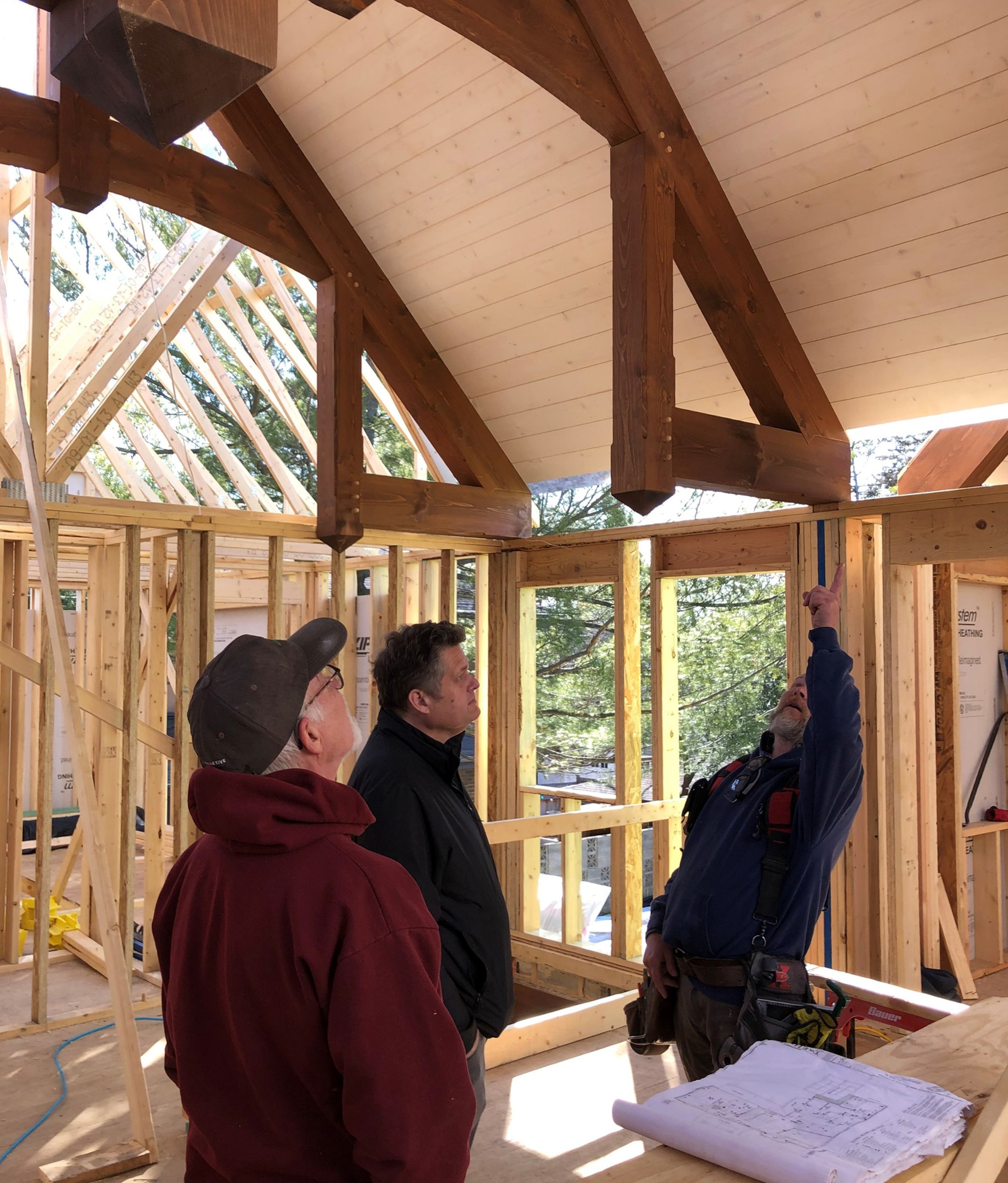
Jon first met Dave Amundson, founder of TreHus, and Steve Groff, Carpentry Supervisor, while working on a project with Poth Architects, his first employer after graduating. “Back in those days,” recalls Jon, “many of TreHus’s projects were designed by outside architects, like myself. The day I met Dave was arguably one of the toughest days in TreHus’ history.” The project had caught fire overnight, leaving much of the home damaged by smoke and water and creating a stressful, emotional situation for everyone involved.
Jon remembers Dave’s response. “Dave’s calm demeanor and integrity stood out to me and everybody involved in the ensuing meetings,” says Jon. “Dave took charge and all of the responsibility; he worked with everyone involved to come up with a plan to repair the damage while sorting through the investigation of the cause and the responsibility of insurance.” Jon’s company went on to work with TreHus on many projects over the following years, and “it became very clear that TreHus had a level of organization and professionalism that stood above many of its competitors in contracting.” Jon kept an eye on TreHus as he gained experience, and eventually joined the team in 2010.
The People Behind the Work
Asked about his favorite memory at TreHus, Jon starts with his favorite part of the job: his team. “I don’t know that I have a single favorite memory at TreHus, but I really value getting to work with the people here; they are just amazing.”
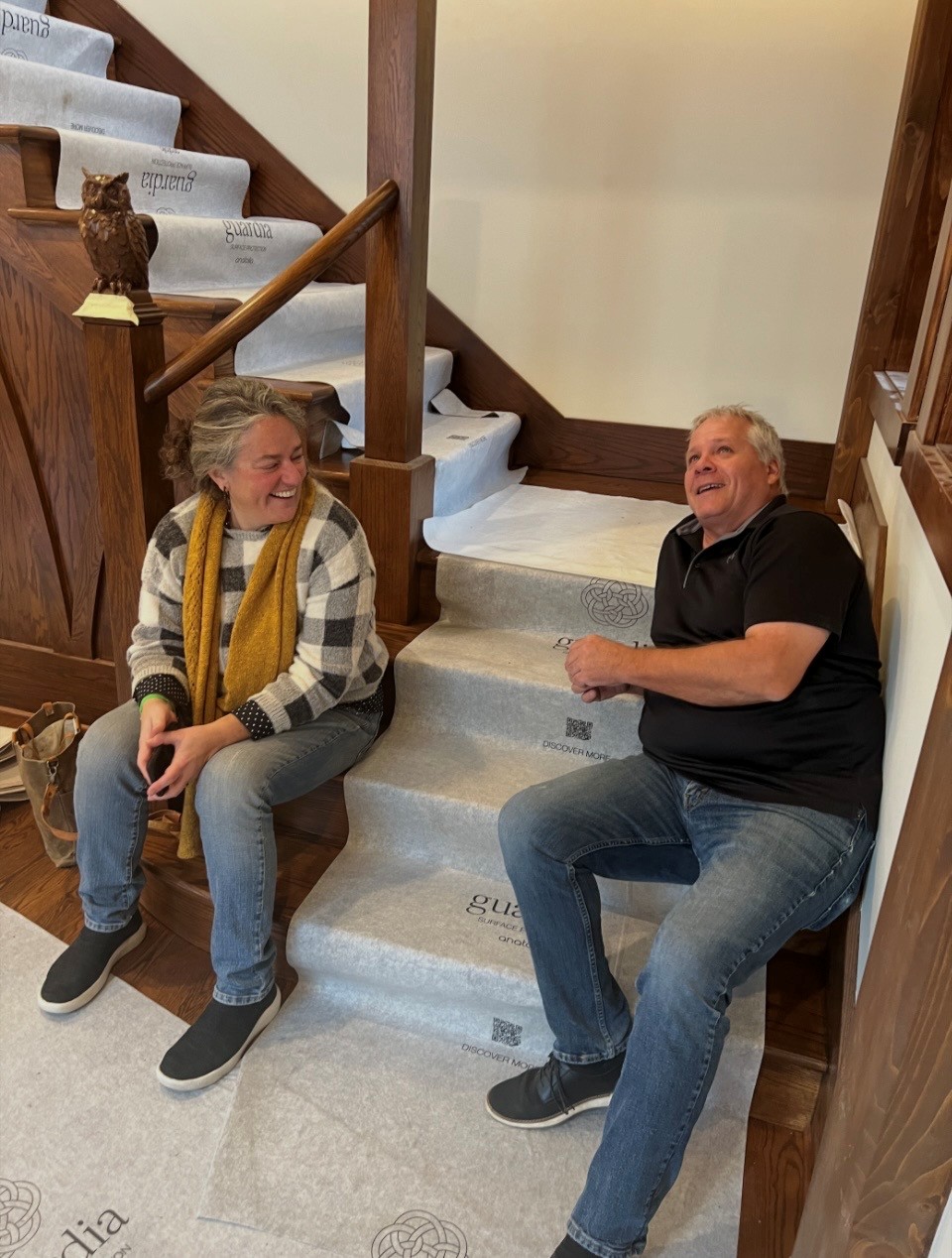
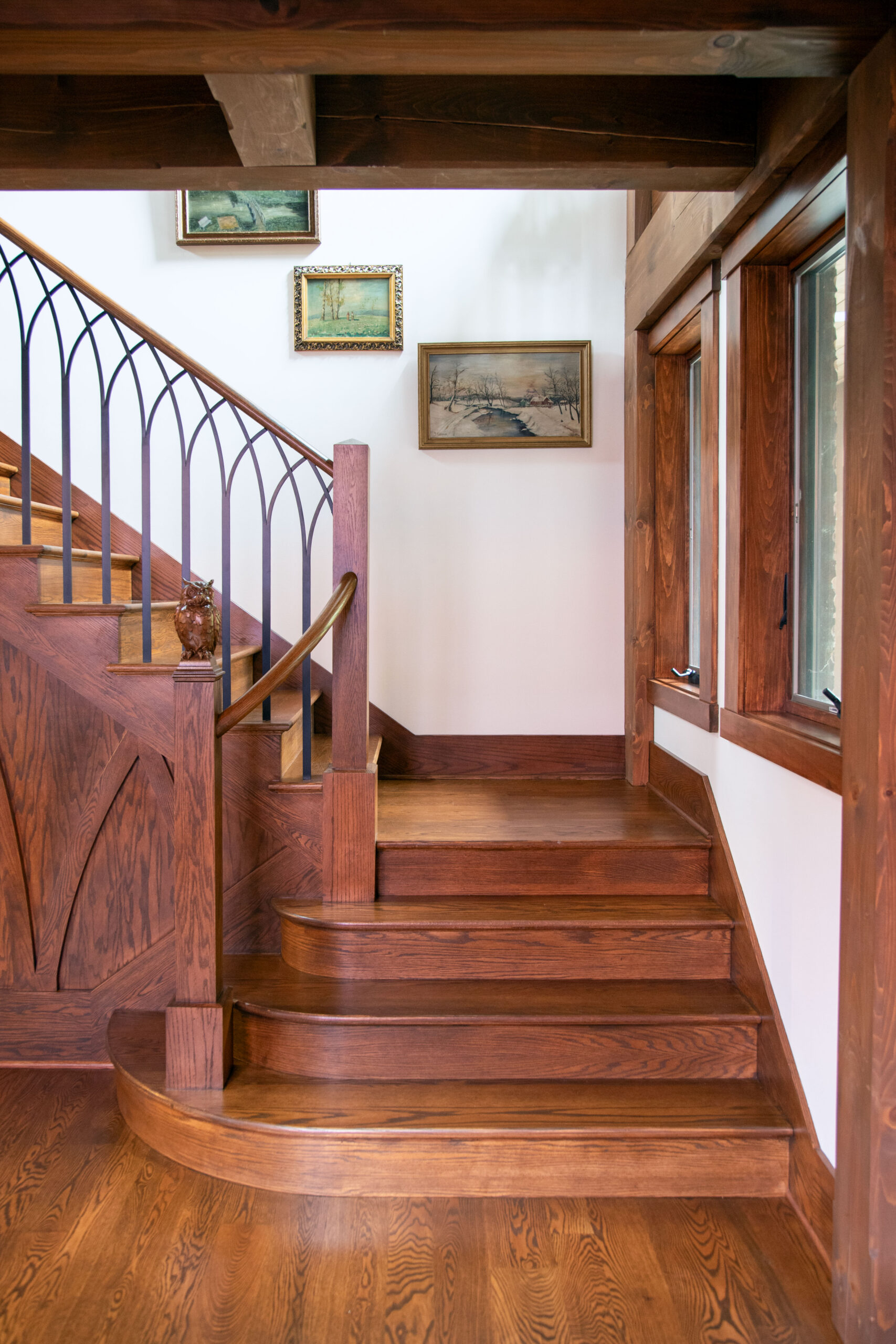
One memory that stands out is captured in a photo he took of Gina Vozka and Dan Kubat at the Isles Custom Home remodel. “I have a picture that I took of Gina and Dan sitting on the stairs at the Isles Custom Home during one of our weekly on-site progress meetings. Gina was my co-designer and Dan was the project manager for this unique custom home. This photo captures a moment with my two partners smiling and laughing at a comment someone had made in the midst of a long and challenging project. The joy in their faces was palpable, and really captured the sense of how fortunate we are to work with each other and improve the homes our clients live in,” says Jon.
As a team member, Jon is skilled at both offering and receiving input throughout a project. “In the end, we all want the same thing: the best possible product for our clients and for the company, and my hope is to always contribute to this goal.”
Jon’s Four Principles for Forever Home Design
Designing a ‘forever home’ requires a thoughtful approach, with four elements standing out to Jon in successfully creating a home that lasts a lifetime.
- Quality Design and Materials – A home designed to last begins with quality. “I am often amazed with the craftsmanship of our carpenters and subcontractors, and have come to appreciate how much of a challenge it is for Project Managers to bring everything together. The challenge and creativity of the start of design on new projects is always fun, but it is so rewarding to actually see a project after completing construction.”
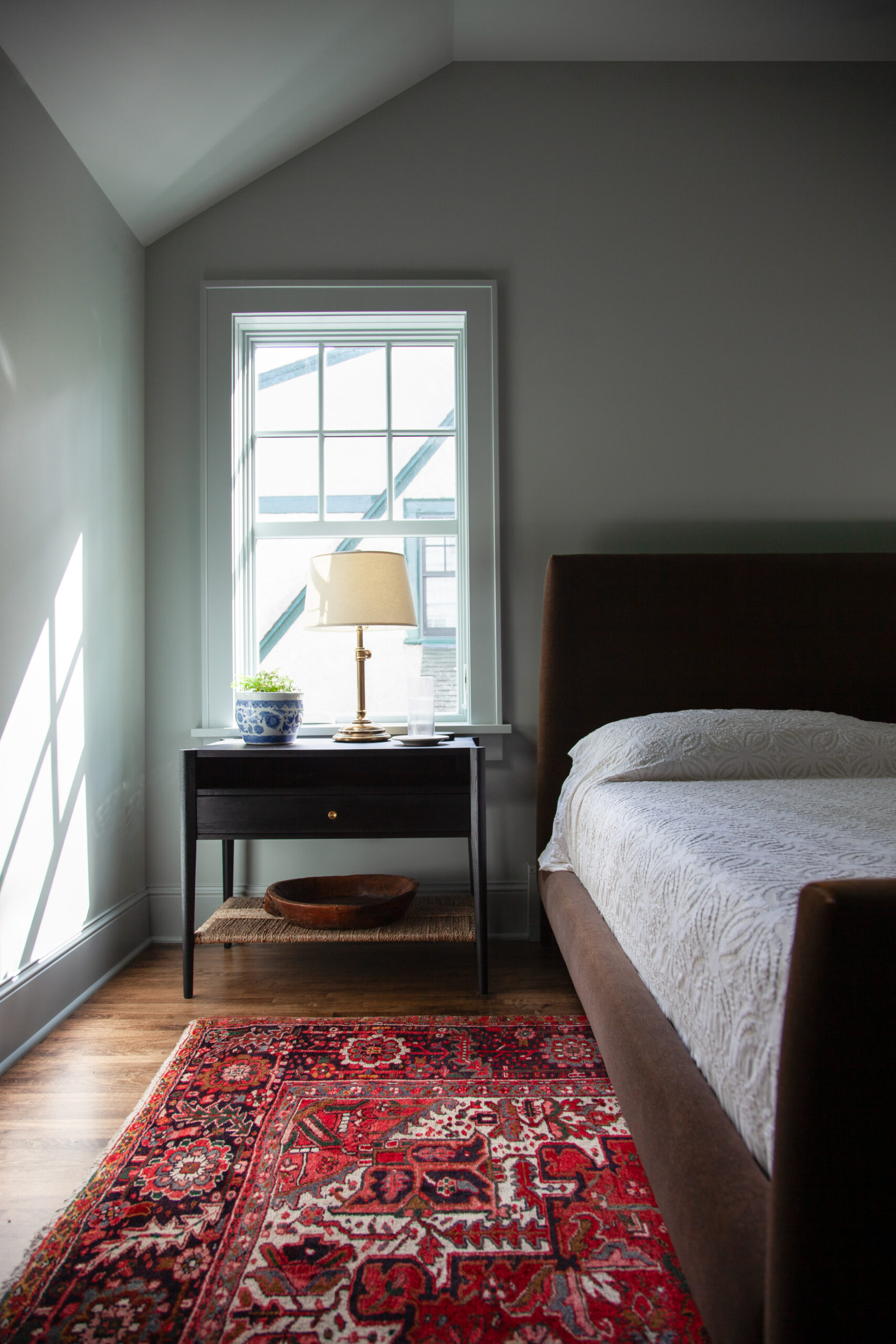
- Adaptability of Functions – A home should fit the way a family lives today while allowing for needs to change over time. Multipurpose rooms and flexible living spaces, as showcased in our recent journal post ‘Crafting Flexible Living Spaces’ can achieve this goal.
- Creating Joyful Spaces – Jon poses the question: “Does the design create spaces that are timeless and beautiful while bringing joy to the people that live in them?” Intentional and personal design– and even a bit of whimsy– create spaces that homeowners would be excited to live in forever, not only today or in the distant future.
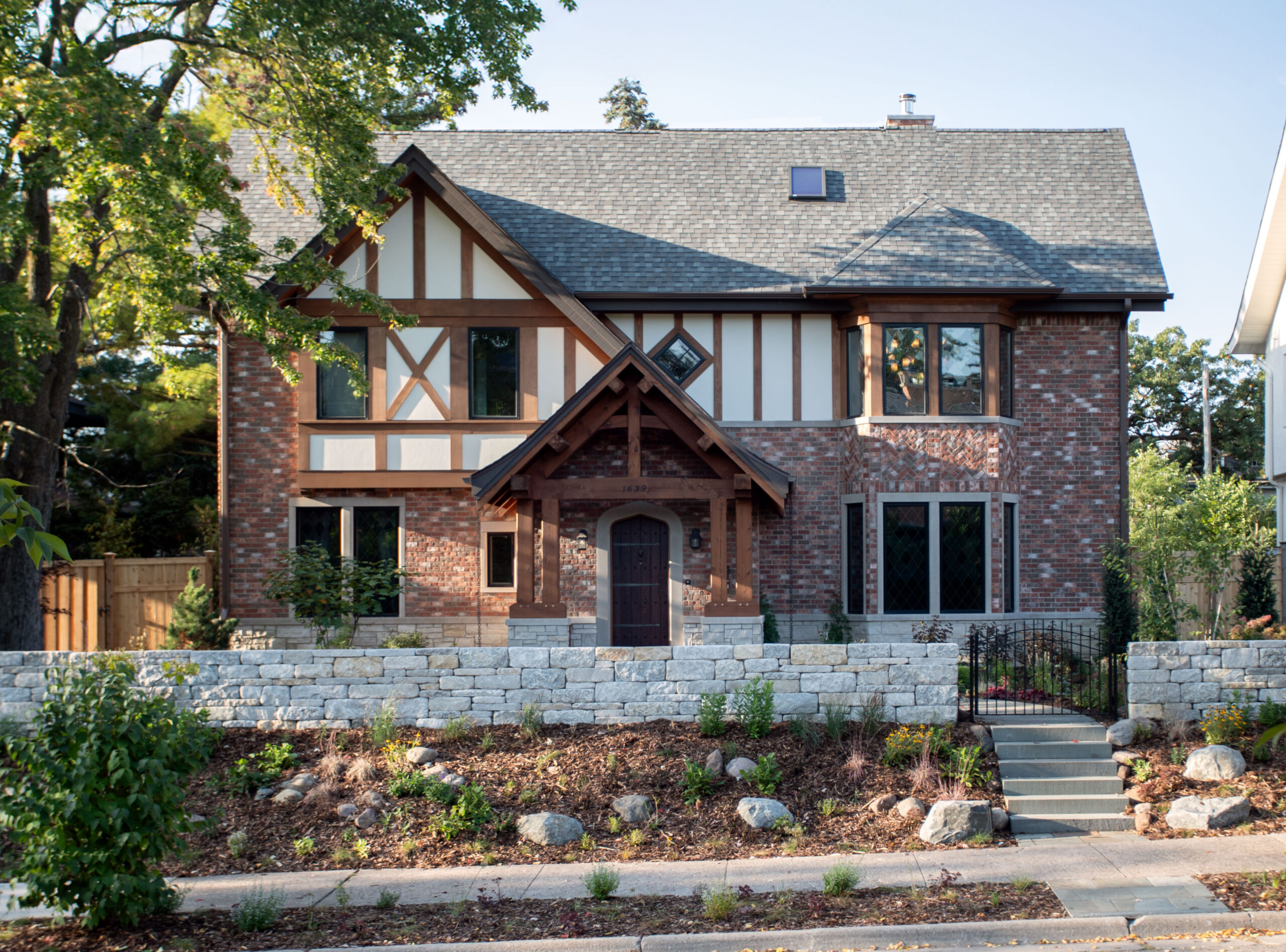
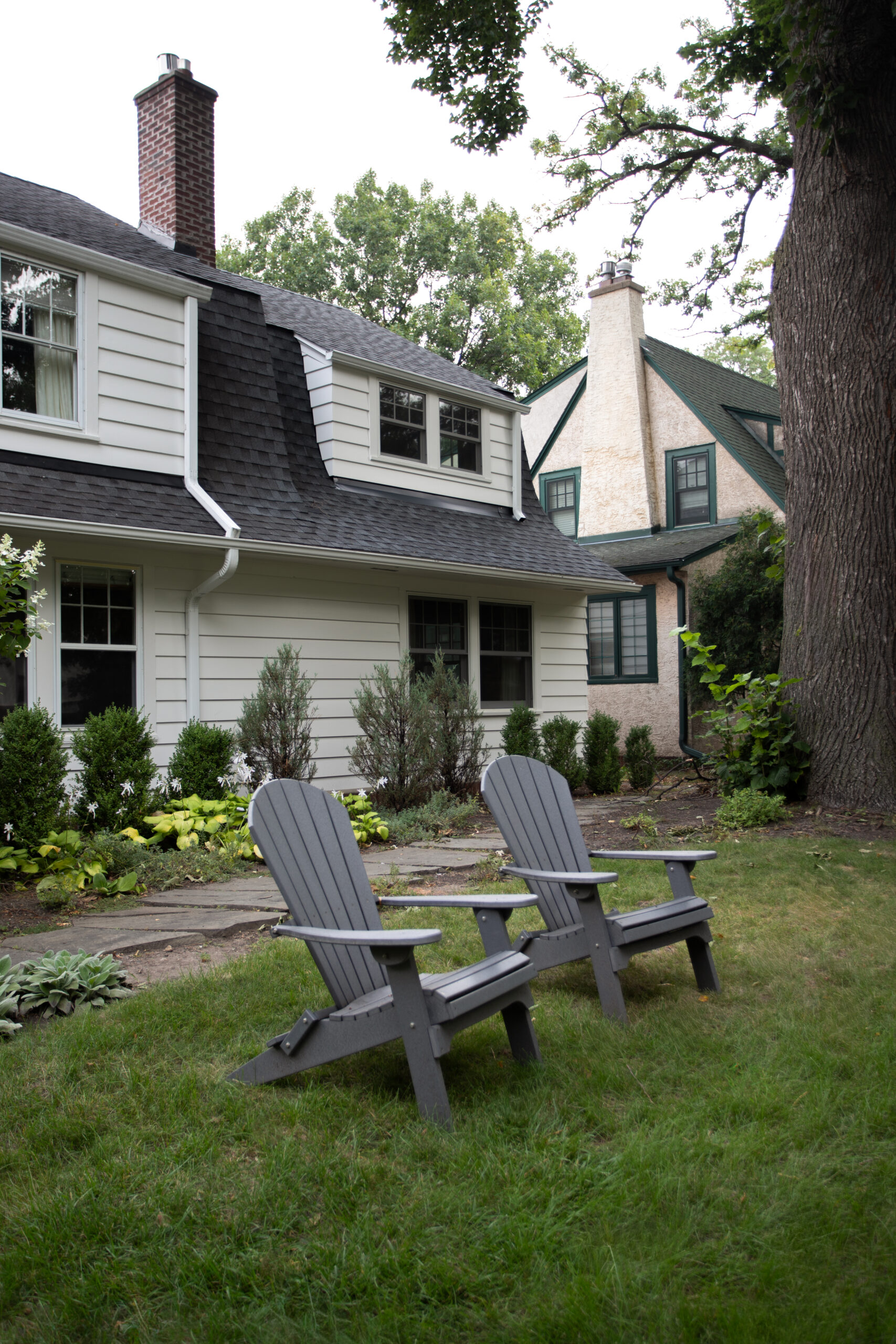
- Connection to the Neighborhood – Jon considers how the exterior of the home relates to the neighborhood and community, as in the Timeless St. Paul Addition. A forever home works with its surroundings rather than against them to create a cohesive feel for homeowners and the community they are a part of.
Designing for Flexibility: The Role of Furniture
When designing a home for a growing family, Jon highlights an often-overlooked consideration: furniture. “One thing I’ve learned over the years is the value of thinking about furniture when designing spaces. There was a trend in the 90’s where designers created built-ins to serve specific tasks and functions. A lot of this was motivated by the drive for customization, but over time, I’ve come to realize that we need to plan for changes in home design.” Considering a space’s potential future needs — or creating a room that can serve a variety of functions — gives a home flexibility to adapt over time without constant remodeling. “It’s a lot simpler to rearrange or relocate furniture than it is to move a door or replace a cabinet,” says Jon.
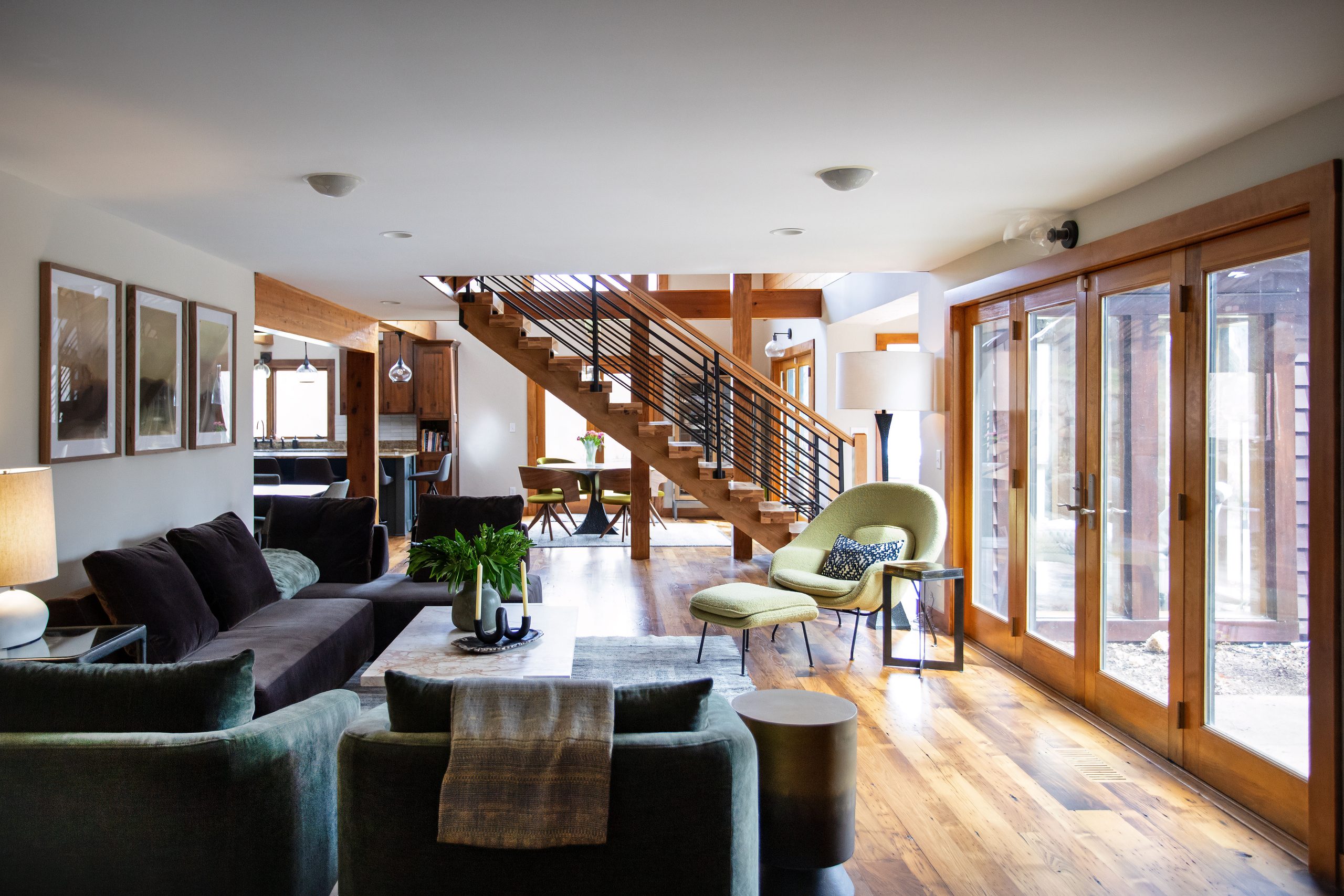
The Lake Elmo Timber Tower remodel illustrates this thinking. Reconfiguring the staircase opened up floor space and improved the flow between main-level rooms, while a complete furnishing update gave the homeowners flexibility in how each space could be used. Rather than designing every room around a single function, the new layout and furnishings let smaller alcoves adapt as the homeowners’ needs change, without requiring another major remodel. How spaces flow into one another, the relationship between public and private areas, and how functions shift as we age are all important factors in designing a forever home.
Advice for Aspiring Architects and Designers
Jon’s advice to aspiring architects and designers: think beyond the traditional expectations of the profession, and consider how their skills can apply in unexpected ways. The idea came from a recent conversation with former classmates. “In school,” he explains, “so much of our focus was on creating unique designs, but there are a lot of opportunities in the profession for the skills we develop with practical thinking and creative problem solving to be used beyond just designing buildings.” One classmate discovered a talent for training and managing international teams of drafters and designers producing projects around the world. “His personal skills for connecting and leading teams is something he is passionate about, but never learned in school. As digital communication has grown, and the emphasis of design in school is prioritized, I think it’s worth mentioning that connecting with people is a really valuable and sought-after skill set for this profession.”
Life Outside of Architecture and TreHus
When he is not at work, Jon can be found traveling, listening to music, or a combination of the two! He loves exploring new places, “whether off on another continent, city, or state, or exploring a neighborhood in town I haven’t been to.” Jon enjoys supporting local musicians by listening to various artists and bands coming through town, as well as being on the other side of the stage, playing music and performing with his friends.